A Practical Roadmap to Building a Daily-Driven Ford 4x4 That Still Thrives Off Road
O'Fallon, United States - December 31, 2025 / Axleboy Offroad /
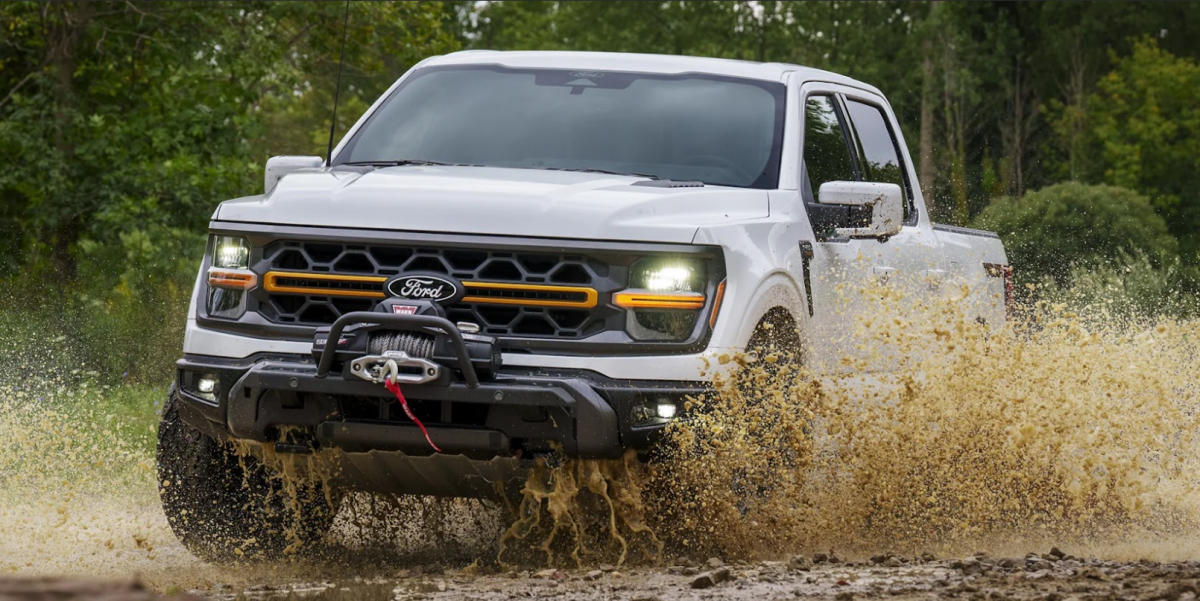
Ford trucks are everywhere in the St. Louis region for good reason. From job sites and highways to gravel roads, river access points, and backcountry trails, the F-150, F-250, and F-350 are built to work and explore. But once owners start researching Ford Truck Upgrades, things can get confusing fast. Bigger tires look good but feel slow. Lift kits promise capability but hurt ride quality. Accessories pile up, and suddenly the truck no longer feels right for daily driving.
That is why a clear plan matters. This guide is built as a roadmap for Ford owners who want a truck that drives well every day and still performs confidently off pavement. The goal is not to build the most extreme rig. The goal is to build the right one. For a deeper breakdown of upgrade options and planning considerations, this Ford Truck Upgrades resource provides a strong foundation.
This article walks through the eight most common 4x4 and overlanding upgrades for Ford trucks and explains the purpose, order, and compatibility of each. When done correctly, these upgrades work together, not against each other.
Why Ford Truck Upgrades Go Wrong Without a Plan
Ford F-150, F-250, and F-350 trucks are incredibly capable from the factory. They tow heavy loads, handle Midwest weather, and rack up miles as daily drivers. Problems usually begin when modifications are added without considering geometry, weight, drivetrain strain, or real-world use.
Common issues include wandering steering, rough ride quality, poor towing stability, electrical gremlins, and power loss from oversized tires. Many owners experience noise, vibration, or handling changes that were never part of the plan.
A smart build starts with understanding how each modification affects the truck as a system. Upgrade order matters. Component compatibility matters. And knowing how a truck will actually be used matters most.
1. Suspension and Ride Height – The Foundation of Every Build
Suspension upgrades are often the first step and the most misunderstood. Leveling kits, lift kits, and full suspension systems all serve different purposes.
For daily-driven Ford trucks in the St. Louis area, suspension should improve ride control and capability without sacrificing comfort or towing performance. A basic leveling kit may be enough for light trail use and slightly larger tires. A full suspension system is better for heavier overlanding setups or frequent off-road travel.
Key considerations include suspension geometry, shock quality, spring rates, and alignment. A poorly designed lift can cause harsh ride quality and uneven tire wear. A properly designed system maintains factory-like handling while improving clearance and control.
Suspension is the foundation. Every upgrade that follows depends on it being done correctly.
2. Wheels and Tires – Traction Without Compromise
Tires are the single biggest upgrade in terms of visual impact and real-world performance. But they are also one of the most common sources of regret when chosen incorrectly.
All-terrain tires are often the best choice for daily-driven Ford trucks. They offer improved traction on dirt, gravel, snow, and wet pavement without excessive noise or rolling resistance. Mud-terrain tires may look aggressive but often create unnecessary noise and wear for mixed-use trucks.
Tire size must match suspension height, wheel offset, and gearing. Oversized tires can reduce power, strain driveline components, and hurt fuel economy if supporting upgrades are skipped.
Wheel selection matters too. Offset and width affect steering feel, scrub radius, and bearing wear. The right combination keeps the truck stable and predictable on the road.
3. Steering and Geometry Corrections – Keeping Control Where It Belongs
As ride height and tire size increase, factory steering components are pushed beyond their ideal operating range. This is where many Ford owners start noticing wandering steering or vague handling.
Upgraded tie rods, track bar corrections, steering stabilizers, and alignment solutions restore proper geometry. These upgrades are not about looks. They are about safety, control, and confidence behind the wheel.
Ignoring steering corrections often leads to frustration and unnecessary wear. Addressing them early keeps the truck driving like it should, even with added capability.
4. Drivetrain and Gearing – Restoring Lost Power
Bigger tires change the effective gear ratio of a truck. That means slower acceleration, increased transmission strain, and reduced towing performance.
Regearing differentials brings the drivetrain back into balance. This upgrade is often skipped due to cost, but it has one of the biggest impacts on how a modified truck feels to drive.
For Ford F-250 and F-350 owners who tow regularly, proper gearing is critical. It helps maintain transmission health and keeps the truck responsive under load.
A well-geared truck feels strong again. Throttle response improves. Shifting feels more natural. Long-term reliability improves.
5. Armor and Protection – Preparing for Real Terrain
Skid plates, rock sliders, and differential protection are not about building a rock crawler. They are about preventing damage when exploring fire roads, muddy trails, and uneven terrain.
Missouri backroads and off-grid access points can hide ruts, rocks, and obstacles that quickly damage vulnerable components. Protection upgrades provide peace of mind and prevent costly repairs.
Armor should be chosen based on actual terrain and vehicle weight. Overbuilding adds unnecessary mass. Underbuilding invites damage.
6. Bed Racks and Overlanding Storage – Carrying Gear the Right Way
Overlanding gear adds weight and complexity. Bed racks, rooftop tents, and storage systems must work together and remain compatible with bed covers, tailgates, and lighting.
Poorly planned setups lead to rattles, leaks, and access issues. A good system balances accessibility, weight distribution, and weather protection.
For daily drivers, modular solutions are often the best choice. They allow gear to be removed when not needed and keep the truck practical for work and family use.
Electrical routing and lighting integration should be planned at this stage, not added later as an afterthought.
7. Lighting and Electrical – Visibility Without Headaches
Auxiliary lighting improves safety and visibility during night driving, camping, and trail navigation. But electrical upgrades are a common source of problems when done incorrectly.
Quality wiring, proper relays, and clean integration prevent flickering, battery drain, and fault codes. Lighting placement also matters. Poorly aimed lights cause glare and reduce effectiveness.
Interior power solutions, onboard air, and accessory switches should be installed with future expansion in mind. A clean electrical system supports long-term reliability.
8. Braking and Load Control – Stopping Power Still Matters
As trucks get heavier with gear, tires, and accessories, braking performance can suffer. Upgraded brake components help maintain stopping power and pedal feel.
Load control upgrades such as airbags or upgraded springs improve towing stability and reduce squat. These upgrades are especially important for Ford Super Duty trucks that tow or haul regularly.
Stopping and control upgrades are often overlooked but play a major role in safety and driver confidence.
Avoiding the Most Common Ford Truck Build Mistakes
The most expensive mistakes usually come from rushing decisions or copying someone else’s build. Not every popular upgrade is right for every truck or every driver.
A balanced build focuses on drivability first. It considers where the truck will be driven, how often it will be loaded, and what terrain it will see. The result is a truck that feels better than stock, not worse.
In the St. Louis region, terrain knowledge matters. Trail access, road conditions, and seasonal weather all influence what works best.
Owners looking for guidance and professional insight often rely on local expertise. For those researching Ford Truck Upgrades near St. Louis, this Ford Truck Upgrades location serves as a regional reference point for properly built 4x4s.
Choosing Quality Parts and Proven Solutions
Not all parts are created equal. Quality components, proper installation, and warranty-backed work make a difference over time.
Ford owners often benefit from using parts designed specifically for their platform and intended use. Compatibility matters across suspension, steering, drivetrain, and electrical systems.
For those exploring components and research before committing to a build, this Ford Truck Upgrades resource highlights common categories and considerations.
About Axleboy Offroad
Axleboy Offroad has built a reputation in the Midwest as a custom 4x4 outfitter focused on real-world performance and long-term reliability. Specializing in tailored solutions rather than one-size-fits-all builds, the company supports everything from routine maintenance to complete vehicle transformations.
With factory-trained technicians and dealer-level tools, Axleboy Offroad maintains control of the entire process and backs performance work with a 12 month or 12,000 mile warranty. The focus remains on drivability, proper geometry, and honest guidance based on how and where vehicles are used.

Contact Information:
Axleboy Offroad
1935 E Terra Ln
O'Fallon, MO 63366
United States
Contact Axleboy Offroad
(636) 939-5337
http://axleboy.com/


