Lessons from the Palisades Fire: A Call for Action
West Covina, United States - February 6, 2026 / Wildfire Prevention /
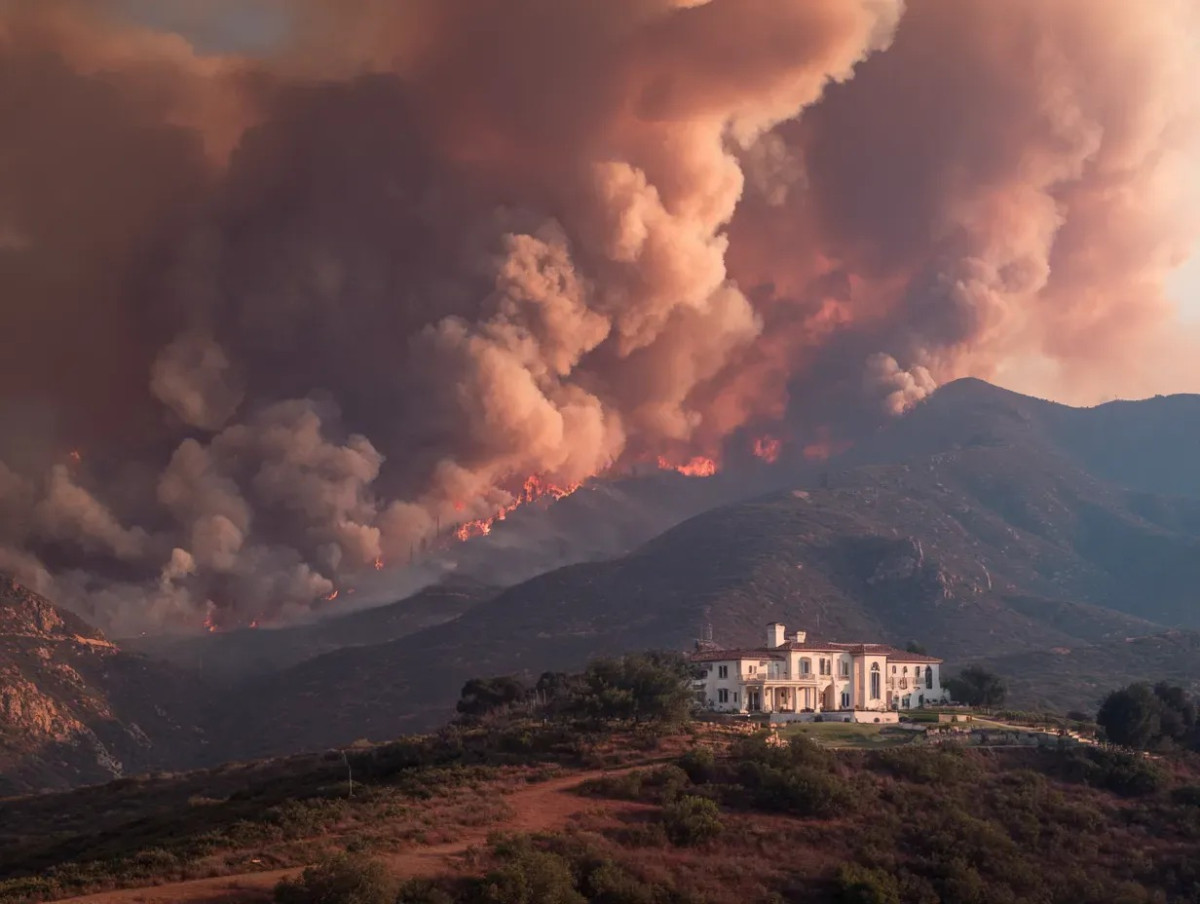
The Palisades Fire, which took place over the last year, has highlighted the escalating danger that wildfires pose. As communities deal with the consequences, it is crucial to contemplate the lessons learned and the strategies that can be employed to bolster wildfire mitigation efforts. This incident has emphasized the necessity of performing thorough wildfire risk assessments and embracing effective home hardening techniques to substantially lower property risks.
Wildfire mitigation is not merely a response to events; it demands proactive planning and preparation. The Palisades Fire brought to light the importance of detailed wildfire risk assessments that consider various elements, such as vegetation, terrain, and climatic conditions. These assessments are vital for pinpointing areas at risk and determining optimal strategies for risk reduction. By comprehending the specific threats faced by a community, residents can make educated choices on how to safeguard their homes and properties.
A significant lesson from the Palisades Fire is the critical role of home hardening for wildfires. Home hardening entails making adjustments to a property to enhance its resistance to fire. This may involve utilizing fire-resistant building materials, establishing defensible space around the home, and ensuring that roofs and gutters are free from debris. The fire illustrated that homes that had undergone proper hardening were more likely to withstand the flames, whereas those that had not taken such precautions were frequently lost.
In the aftermath of the Palisades Fire, numerous homeowners are reassessing their properties and contemplating ways to boost their wildfire resilience. This encompasses not only physical alterations to their homes but also community-wide initiatives aimed at diminishing overall wildfire risk. Cooperation among neighbors can yield more effective strategies, such as creating firebreaks and ensuring clear access routes for emergency services.
The significance of local governments and fire agencies in wildfire mitigation cannot be overstated. The Palisades Fire has sparked a renewed emphasis on the necessity for unified efforts between these organizations and the communities they serve. By collaborating, they can formulate and execute comprehensive wildfire risk assessments that guide land use planning and emergency response strategies. This partnership is crucial for fostering a culture of preparedness and resilience.
Education and outreach are also essential elements of effective wildfire mitigation. The insights gained from the Palisades Fire can be disseminated through community workshops, informational sessions, and online resources. By equipping residents with the knowledge to evaluate their own wildfire risks and implement home hardening measures, communities can empower individuals to take action. This grassroots approach can lead to a more resilient community overall.
Another key component of wildfire mitigation is the influence of technology. Innovations in technology have simplified the process of conducting wildfire risk assessments and monitoring conditions in real-time. Drones, satellite imagery, and predictive modeling can offer valuable data that assists communities in understanding their vulnerabilities and planning accordingly. The Palisades Fire showcased the potential of these tools to enhance situational awareness and improve response efforts.
As communities reflect on the insights gained from the Palisades Fire, it is evident that a comprehensive approach to wildfire mitigation is necessary. This encompasses not only individual actions taken by homeowners but also broader community initiatives and governmental support. By prioritizing wildfire risk assessments and home hardening for wildfires, communities can greatly reduce their susceptibility to future fires.
The Palisades Fire has also underscored the significance of mental preparedness alongside physical measures. The psychological impact of wildfires can be profound, and communities must be prepared to assist residents in coping with the aftermath. This includes providing resources for mental health support and nurturing a sense of community resilience. By addressing both the physical and emotional dimensions of wildfire preparedness, communities can emerge more robust in the face of challenges.
In summary, the lessons derived from the Palisades Fire serve as an essential guide for future wildfire mitigation initiatives. By stressing the importance of wildfire risk assessments and home hardening for wildfires, communities can take proactive measures to safeguard their properties and lives. The collaboration among residents, local governments, and fire agencies is vital for establishing a comprehensive strategy for wildfire resilience. As communities progress, the knowledge gained from this experience will be invaluable in shaping a safer and more prepared future.
Learn more on https://allieddisasterdefense.com/wildfire-defense-lp/
Contact Information:
Wildfire Prevention
1623 W San Bernardino Rd Unit 6
West Covina, CA 91791
United States
Vincent Lu
+1 (310) 620-9442
https://allieddisasterdefense.com
