How Proper Cleaning and Conditioning Help Preserve Leather Jackets
North Bethesda, United States - October 22, 2026 / Parkway Custom Drycleaning /
Leather Cleaning vs. Conditioning: Parkway Custom Drycleaning Shares Essential Jacket Care Tips
NORTH BETHESDA, MD - Parkway Custom Drycleaning, a professional garment care specialist serving the greater Washington, D.C. metropolitan area, is sharing essential guidance on leather jacket cleaning and conditioning to help owners protect their garments from premature wear, dryness, and cracking.
Many leather jacket owners mistakenly believe that cleaning alone is enough to maintain their garments. Others apply conditioner without first removing accumulated dirt, potentially trapping contaminants within the leather's surface.
According to Parkway Custom Drycleaning, cleaning and conditioning serve different purposes, and performing both steps in the correct order is essential for maintaining leather's appearance, flexibility, and longevity.
The company emphasizes that Washington, D.C.'s humid summers, dry winters, and changing indoor temperatures make consistent leather care particularly important for residents throughout Maryland, Northern Virginia, and the District.

Understanding the Difference Between Leather Cleaning and Conditioning
Although cleaning and conditioning are both essential components of leather maintenance, they address different concerns.
What Leather Cleaning Removes
Leather jackets gradually accumulate skin oils, environmental dust, moisture, and residue from everyday wear. These contaminants can settle into the leather's grain, affecting its appearance and condition.
Proper cleaning removes surface buildup and prepares the material for conditioning.
Parkway Custom Drycleaning advises that cleaning should always come before conditioning. Applying conditioner over accumulated grime can interfere with absorption and potentially push contaminants deeper into the material.
Why Leather Conditioning Is Essential
Leather is a natural animal hide that gradually loses moisture and flexibility over time.
Exposure to indoor heating, air conditioning, and dry winter conditions can accelerate this process, leaving leather increasingly stiff and vulnerable to cracking.
Conditioning helps replenish the lubricating oils that maintain leather's suppleness, flexibility, and overall appearance.
Without adequate conditioning, even a clean jacket can become dry, lose its finish, and develop cracks that may be impossible to reverse.
The company explains that cleaning removes unwanted surface contaminants, while conditioning restores essential softness and flexibility. Together, these processes form a more complete leather maintenance routine.
How to Clean a Leather Jacket Safely at Home
Routine leather jacket maintenance can often be performed at home when owners use appropriate products and gentle cleaning techniques.
However, Parkway Custom Drycleaning recommends identifying the leather type and reviewing the manufacturer's care instructions before attempting any treatment.
Essential Supplies for Leather Jacket Cleaning
For basic maintenance, owners should use a soft, lint-free cloth and a cleaning solution specifically formulated for the garment's leather type.
A carefully diluted mild soap solution may be appropriate for some finished leather surfaces, provided the manufacturer's instructions permit it.
Products that should generally be avoided include:
Baby wipes containing ingredients that may affect leather finishes.
Alcohol-based cleaning solutions that can dry out leather.
Harsh household cleaners that are unsuitable for leather surfaces.
Bleach and other aggressive chemicals that can cause permanent discoloration or damage.
Using the correct cleaning products is more important than purchasing numerous leather care supplies.
Step-by-Step Leather Jacket Cleaning Process
Parkway Custom Drycleaning outlines a straightforward cleaning procedure for compatible finished leather jackets.
Step 1: Prepare a soft cloth.
Lightly dampen a lint-free cloth and wring it thoroughly to remove excess water. The cloth should feel barely moist rather than wet.
Step 2: Apply the cleaner carefully.
Place a small amount of leather-specific cleaner onto the cloth rather than directly onto the jacket. Testing the product on a hidden area first can help identify potential discoloration or finish damage.
Step 3: Clean in small sections.
Use gentle circular movements to lift surface dirt. Avoid excessive pressure or aggressive scrubbing, which can damage the leather's finish.
Step 4: Remove cleaning residue.
Gently wipe each treated section with a clean, dry cloth to remove remaining product and reduce streaking.
Step 5: Allow the jacket to air dry completely.
Hang the garment on a wide, padded hanger in a well-ventilated location away from direct sunlight or artificial heat.
Drying may take several hours, depending on the leather and surrounding conditions. The jacket should be completely dry before conditioning begins.
Parkway Custom Drycleaning cautions against using hairdryers, radiators, or other heat sources to accelerate drying. Excessive heat can cause uneven drying, stiffness, warping, and irreversible cracking.
Which Leather Jacket Stains Can Be Treated at Home?
Not every stain requires professional intervention, but identifying the type of contamination is important.
Light surface marks caused by everyday handling can often be removed through gentle buffing with a soft cloth.
Minor water spots on compatible finished leather may improve through natural drying and careful buffing. More noticeable marks should be evaluated before additional moisture is applied.
Other stains require greater caution.
Ink stains can penetrate leather quickly and may spread when treated with consumer cleaning products.
Oil and grease stains can move below the surface, making ordinary wiping ineffective.
Mold and mildew require specialized attention to address contamination without damaging the garment or spreading spores.
Dye transfer from other fabrics can bond to the leather's finish, creating a risk of color loss during aggressive cleaning attempts.
Parkway Custom Drycleaning recommends obtaining professional advice when the cause or severity of a stain is uncertain.
How to Condition a Leather Jacket After Cleaning
Once a leather jacket has been cleaned and allowed to dry thoroughly, conditioning can help restore softness and flexibility.
The company emphasizes that selecting the appropriate conditioner and controlling the amount applied are essential to preventing unwanted changes in the leather's appearance.
Choosing Conditioner Based on Leather Type
Different leather finishes require different care products.
Finished leather: Many conventional leather conditioners are suitable for finished leather, provided they are compatible with the manufacturer's care recommendations.
Aniline leather: Because this leather is more absorbent and sensitive to discoloration, owners should use products specifically designed for aniline finishes.
Nubuck leather: Its soft, slightly fuzzy texture requires specialized products intended for nubuck rather than ordinary smooth-leather conditioners.
Parkway Custom Drycleaning advises against relying on appearance alone when determining leather type. Product labels, manufacturer guidance, and professional evaluation can help prevent accidental staining or darkening.
Step-by-Step Leather Conditioning Instructions
For jackets suitable for home conditioning, the company recommends the following process.
Step 1: Apply a small amount of conditioner.
Place approximately a dime-sized amount on a soft, clean cloth rather than applying the product directly to the jacket. The quantity should be adjusted according to the product instructions and the area being treated.
Step 2: Distribute the conditioner evenly.
Use gentle circular motions across the leather surface. Give careful attention to frequently flexed areas, including elbows, shoulders, and front panels near the zipper.
Step 3: Allow the product to absorb.
When consistent with the manufacturer's directions, allow approximately 10 to 15 minutes for absorption.
Step 4: Buff away excess conditioner.
Use a clean, dry cloth to remove remaining product and restore a natural finish.
Properly conditioned leather should feel smooth and supple rather than sticky, greasy, or excessively shiny.
Warning Signs of Excessive Conditioning
Applying too much conditioner can create additional maintenance problems.
Common signs include:
A tacky or oily surface after buffing.
Noticeable darkening, particularly on lighter-colored leather.
An unusually wet-looking or artificial sheen.
Excess conditioner can attract dirt and leave unwanted residue. Under humid storage conditions, excess moisture and residue may also contribute to conditions favorable for mold growth.
Parkway Custom Drycleaning recommends removing accessible excess product with a clean cloth and seeking specialist advice if noticeable discoloration or persistent stickiness occurs.
When Professional Leather and Suede Cleaning Becomes Necessary
Although home maintenance can address ordinary surface dirt and dryness, certain problems require specialized cleaning techniques and material-specific expertise.
Parkway Custom Drycleaning identifies several situations in which professional treatment is the safer choice.
Mold, Deep Stains, and Persistent Odors
Visible mold, deeply embedded stains, and persistent odors can indicate problems extending beyond the leather's exterior surface.
Mold contamination requires careful assessment and controlled treatment to limit further damage and exposure to spores.
Deep ink, grease, or oil stains may require specialized cleaning methods that are unsuitable for untrained home use.
Persistent odors caused by smoke, mildew, or body oils can become embedded in a jacket's lining and internal construction. Exterior wiping alone may not resolve these issues.
Professional leather and suede cleaning specialists can evaluate both the outer material and inner lining to determine an appropriate treatment approach.
Jackets Featuring Suede, Embroidery, or Metal Hardware
Garments constructed with multiple materials present additional cleaning challenges.
Suede panels are particularly sensitive to moisture and may become stained, flattened, or discolored when treated with products intended for smooth leather.
Decorative embroidery can snag, distort, or react poorly to inappropriate cleaning solutions.
Metal zippers, buckles, and studs may also be vulnerable to oxidation or corrosion when exposed to certain chemicals.
For jackets featuring mixed materials or intricate detailing, Parkway Custom Drycleaning recommends professional evaluation to ensure each component receives suitable care.
Vintage, Designer, and Sentimental Leather Jackets
Vintage and high-value leather jackets can present unique restoration and preservation challenges.
Older garments may contain fragile leather, unknown historical treatments, aging finishes, or construction methods that respond unpredictably to modern cleaning products.
Designer jackets and garments with sentimental value also carry a greater risk if cleaning attempts result in permanent discoloration, cracking, or structural damage.
Professional assessment can help determine whether cleaning, conditioning, or another specialized treatment is appropriate before work begins.
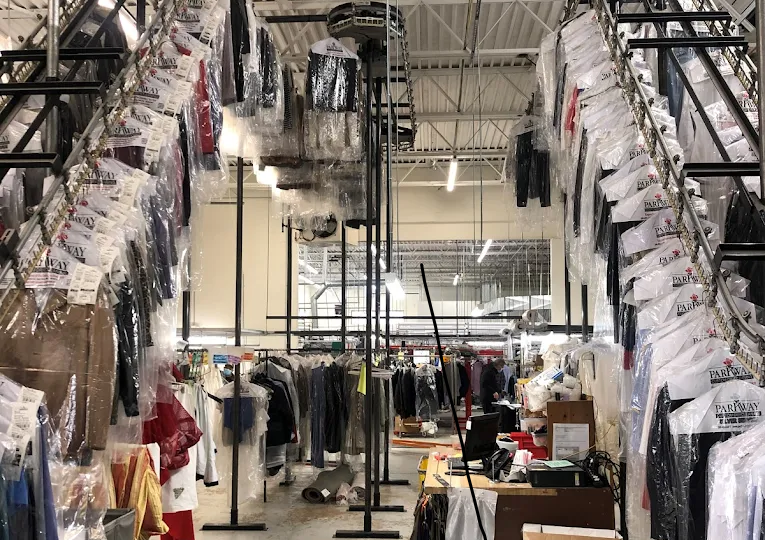
Parkway Custom Drycleaning Provides Specialized Leather Care in the Washington, D.C. Area
Routine cleaning and conditioning can play an important role in extending the useful life of a leather jacket.
However, stubborn stains, embedded odors, moisture damage, and delicate materials may require more advanced professional attention.
Parkway Custom Drycleaning provides professional leather and suede cleaning services for customers throughout the greater Washington, D.C. region, including Maryland and Northern Virginia.
The company evaluates garments before treatment to determine their condition and appropriate care requirements.
Leather jacket owners can also learn more about warning signs that indicate professional leather jacket care may be needed.
Contact Parkway Custom Drycleaning
Customers seeking professional leather jacket cleaning or suede care can contact Parkway Custom Drycleaning to discuss their garments or schedule a leather and suede cleaning service online.
Company: Parkway Custom Drycleaning
Phone: (301) 965-1828
Email: admin@parkwaydrycleaning.com
Address: 5455 Randolph Rd., N. Bethesda, MD 20852
Website: https://www.parkwaydrycleaning.com/
Google Maps: https://www.google.com/maps/place/?q=place_id:ChIJYx7Dkz_Lt4kR4-gjLIts7BA
About Parkway Custom Drycleaning
Parkway Custom Drycleaning is a professional garment care business located in North Bethesda, Maryland, serving customers in the greater Washington, D.C. metropolitan area, including Maryland and Northern Virginia. The company offers specialized leather and suede cleaning services, helping customers maintain and care for garments that require attention beyond conventional home cleaning.


Contact Information:
Parkway Custom Drycleaning
5455 Randolph Rd, North Bethesda, MD 20852, United States
North Bethesda, MD 20852
United States
Jon Simon
https://www.parkwaydrycleaning.com/


Original Source: https://www.parkwaydrycleaning.com/how-to-clean-leather-jacket/
